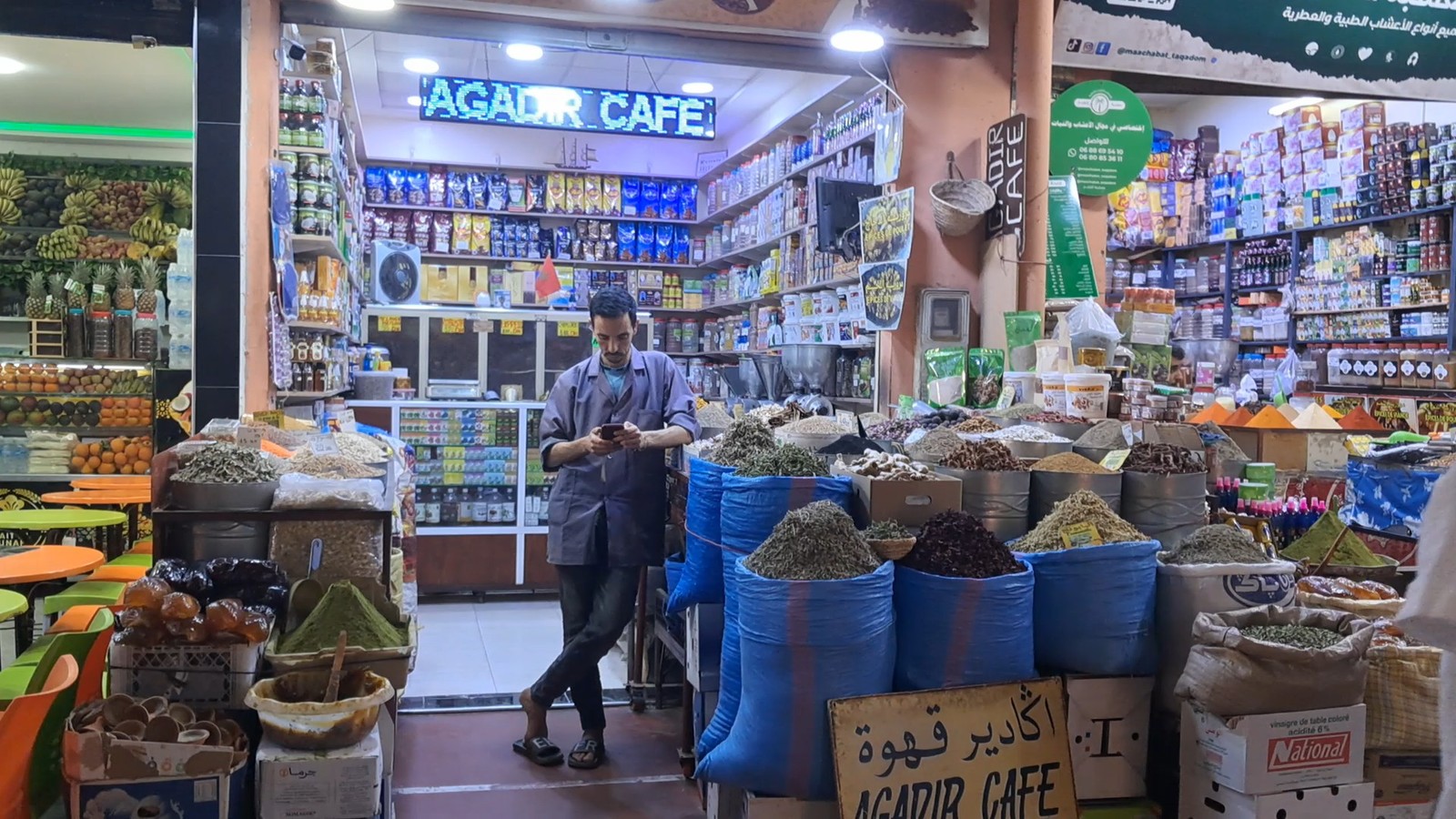
Ladies and gentlemen. Welcome to Souk El Had. There is a stall here. The stall is 701. The stall is called Agadir Cafe. We are going there. Memorise this. Stall 701. Agadir Cafe. Yes.
First — a word about the souk itself. Souk El Had is the largest souk in Agadir, and some will tell you the largest in southern Morocco. They are not lying. A great rectangular fortress in the centre of the city, walls all the way around, entered through numbered gates. Inside: spice merchants, fabric, leather, slippers, lamps, gold, kohl, dried fruit, olives in proportions you have not previously considered possible, water sellers in red robes and tassels, and roughly six thousand other things you did not know you needed and will leave with anyway.
Trade has been happening on this spot since before your grandfather's grandfather was born. The souk itself is newer. Agadir was levelled by an earthquake in 1960. The old city was lost. So we rebuilt — new gates, new stalls, a new mosque. The souk is one of the things this city has put back together with its own hands. Pay attention to that as you walk in.
How to get there
Take a taxi to Gate 2 of Souk El Had. Stall 701 sits on a straight line between Gate 2 and Gate 12. From Gate 2, walk in a straight line down the left side of the open courtyard. Keep going. You will pass the water sellers. I am going to stop us here for a moment — they deserve it.
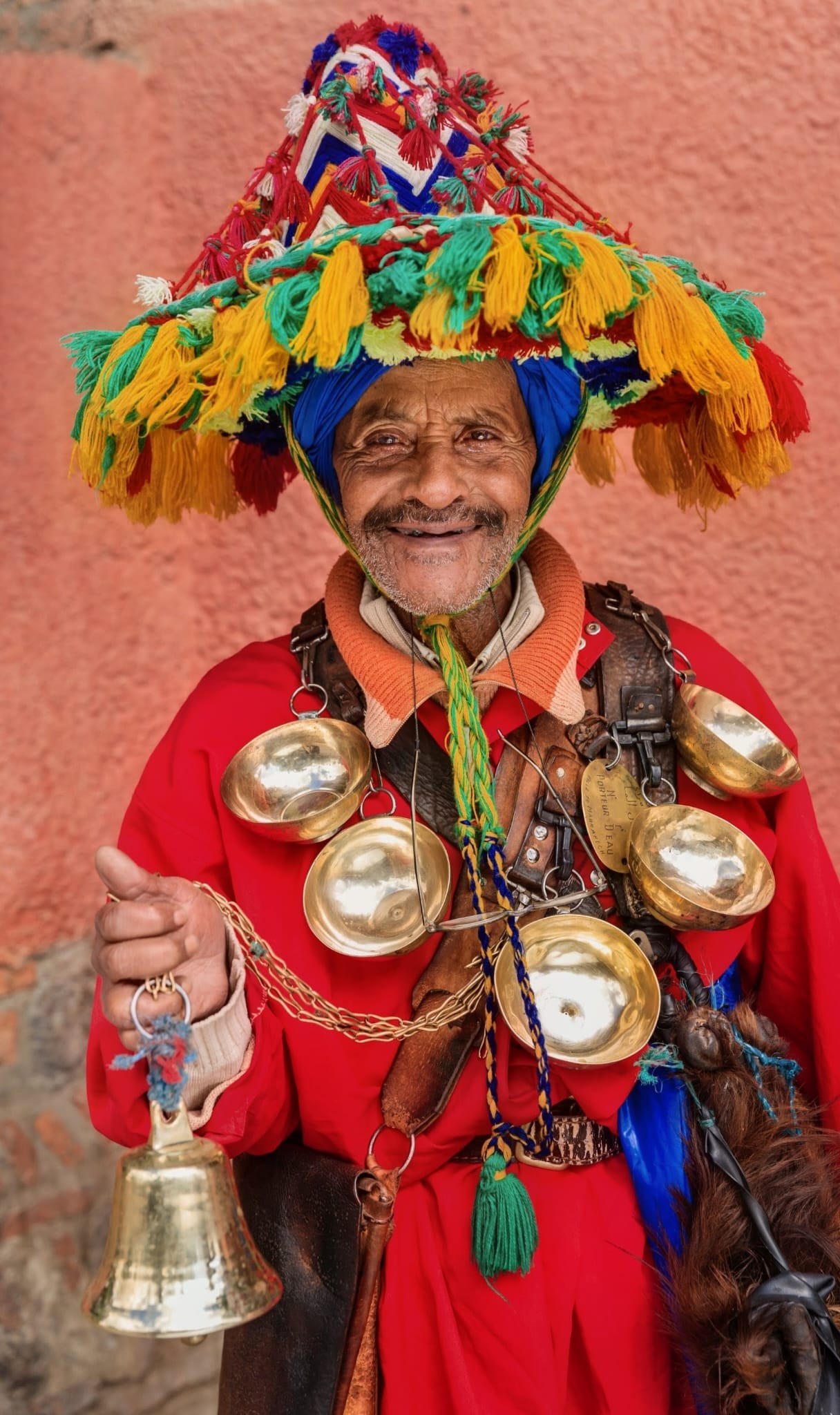
They are called guerrabs, a fixture of Moroccan souks for centuries. In the days before municipal plumbing they sold drinking water from leather skins — fresh, cool, essential. The plumbing came. The guerrabs stayed. Deep red embroidered tunic, a wide-brimmed hat heaped with coloured pom-poms, brass cups at the chest, bells that ring as they walk. Greet them properly. Tip them. They will pour you a cup, ring their bells, pose for your photograph. This is one of the things that makes Morocco Morocco.
The stall
Agadir Cafe. Number 701. You will know it because the sign above the entrance is gold and brown and says exactly this — in English, in Arabic, with coffee beans painted around it. Inside: three men, who are family. Lahcen, Ibrahim, Rachid. (Yes. The same Rachid you have heard about. Yes. He is real. Yes. He is exactly like that.)
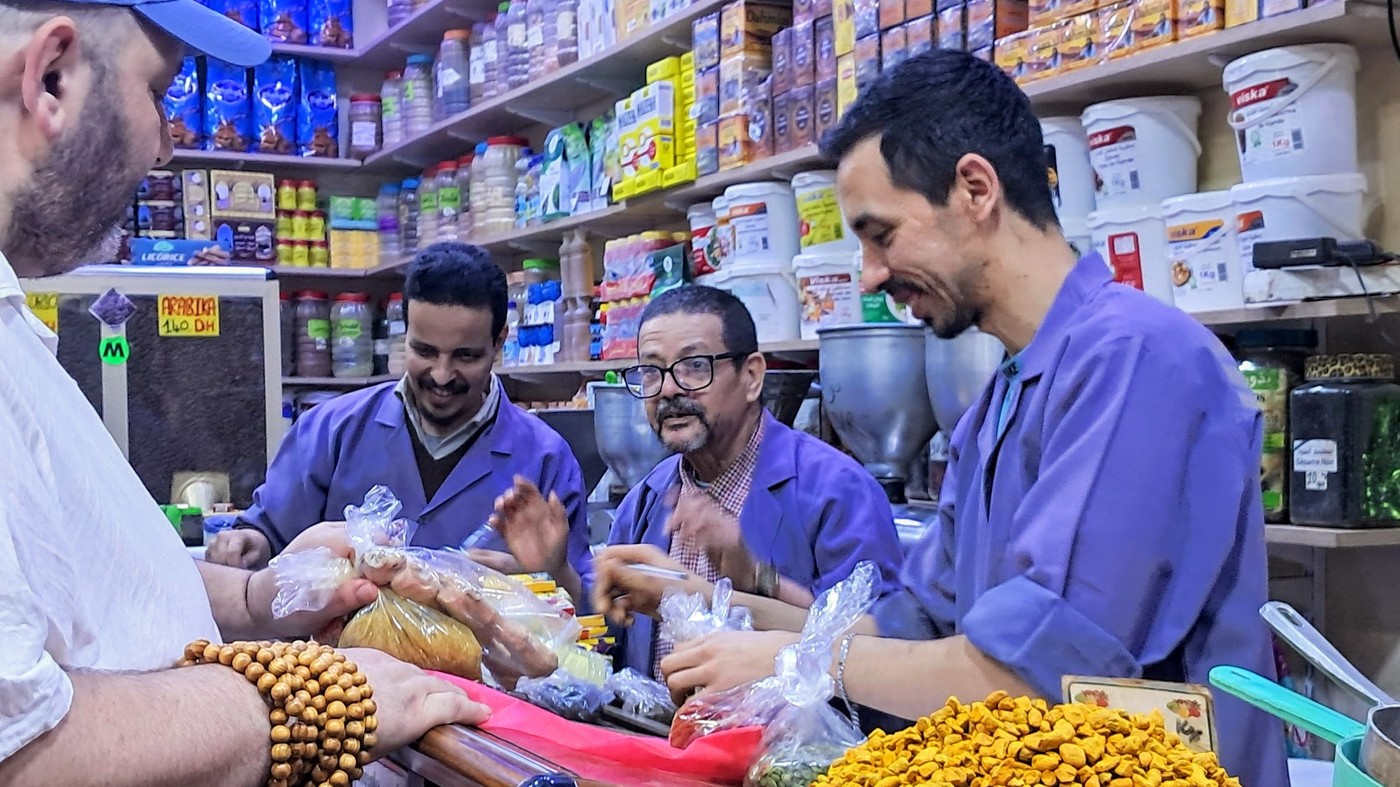
The stall is not only spices. They sell coffee beans — green, roasted, blended to your specification while you wait. They sell beauty products — argan oil, kohl, rose water, beldi soap, rhassoul clay — all from the source, all by weight. They sell named spice blends for different dishes. And they sell the thing we have come here for.
Ras El Hanout
In Arabic, Ras El Hanout means “head of the shop” — the headline item, what the merchant gives you when you ask for his best. It is not one spice. It is not even ten. It is a family recipe so specific that no two Ras El Hanouts in Morocco are the same. The recipe is not written down. It has never been written down. It will not be written down. This is what your supermarket does not understand.
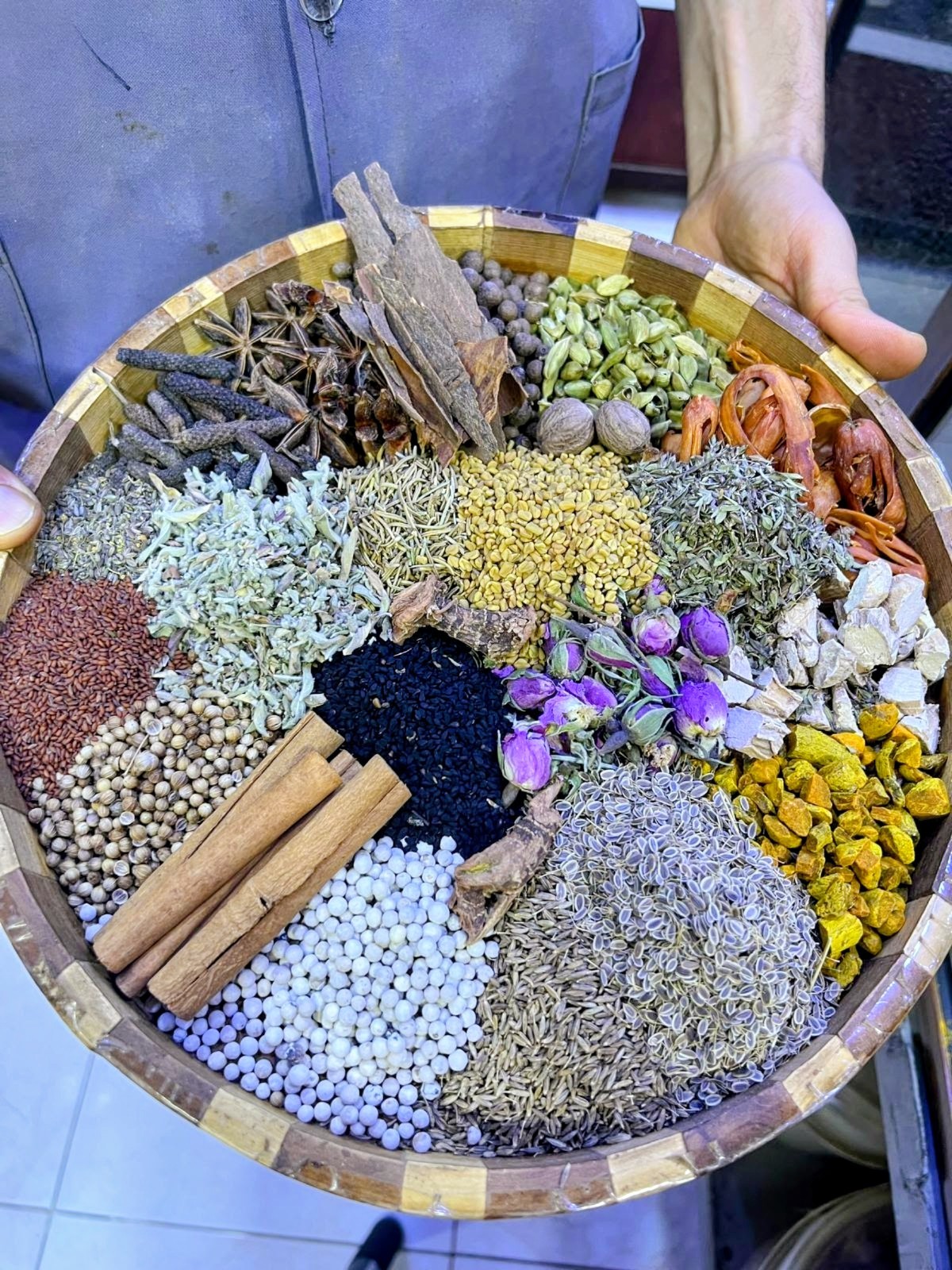
Stall 701's Ras El Hanout is laid out before you on a great round wooden tray — divided like a wheel into wedges, each wedge a different spice. I have counted at least twenty-four.
The experience
You stand at the counter. The family weigh out each spice in turn, according to their recipe. When the tray is complete, it goes to the grinder. The grinder turns. The smell begins to arrive. This — this — is the smell of Morocco. Not the cumin tin in your kitchen. This. Now. In front of you.
It is sold by weight. A medium bag is roughly fifty dirhams. Tell them what you want — what size, for what dish, for whom — before they start. They will adjust. They will also include the conversation. The conversation is free. This is not a transaction. The skill is the product. What you take home is the proof.
What to do with it
Ras El Hanout is the spice of the tagine — lamb, chicken, vegetable. A teaspoon rubbed into the meat the night before; another into the pot as it cooks. Slow. Low. Hours. Beyond tagine: couscous, kebabs, marinades, stews, roast vegetables, a pinch in soup. It is a foundation, not an accent. Use less than you think. Trust your nose. Pair it with preserved lemon, olives, dried apricot or prune, almond, honey, coriander, mint. Store it in a jar with a tight lid, away from light and heat, and use it within months, not years.
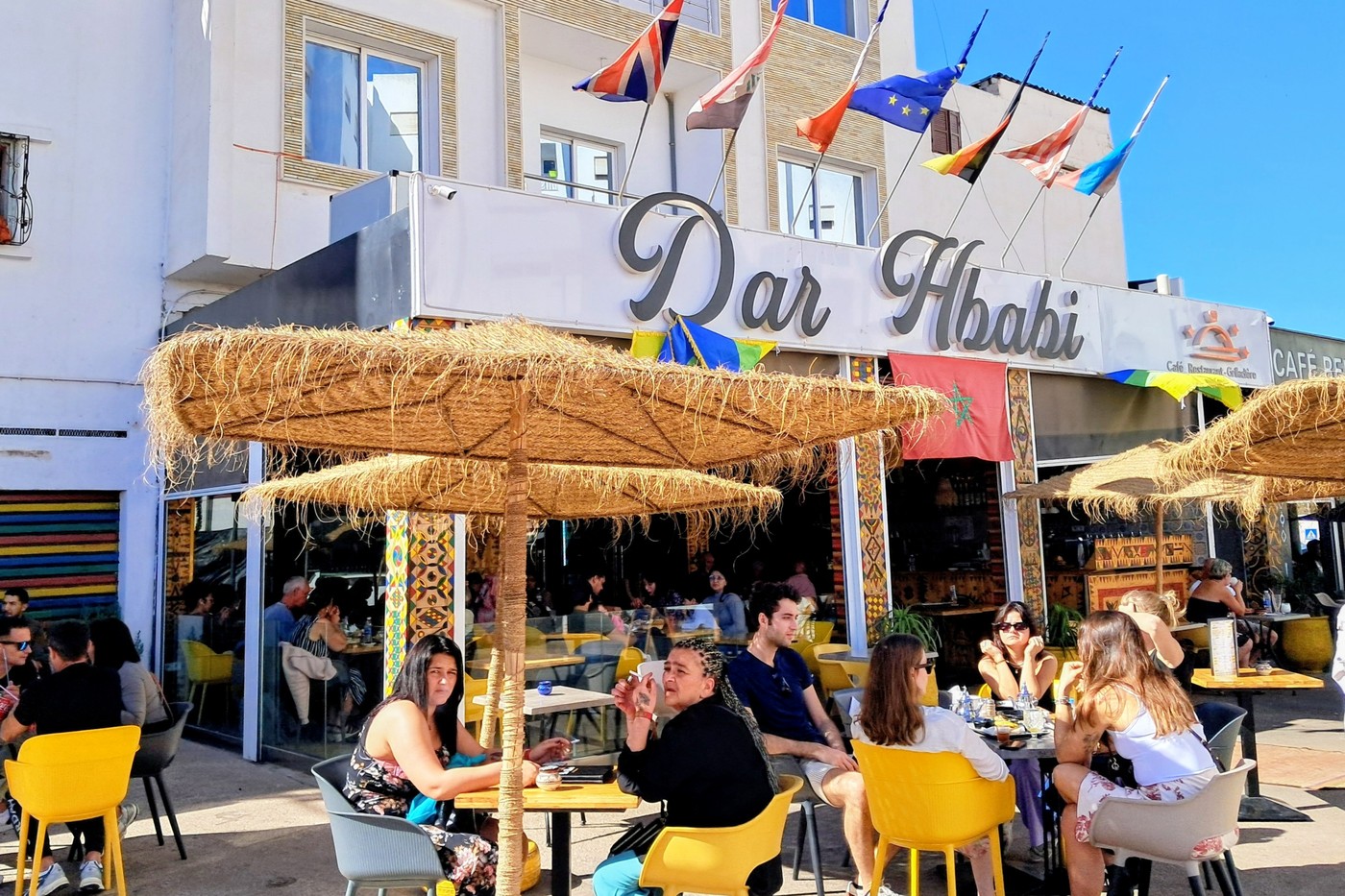
On the way out, continue to Gate 12, past the new mural of His Majesty King Mohammed VI, and back into the sunshine. Dar Hbabi cafe is waiting. Order a mint tea. Sit. The souk takes something out of you and gives something back. The mint tea is the comma between the two. Yalla. Morocco. Keep up.